


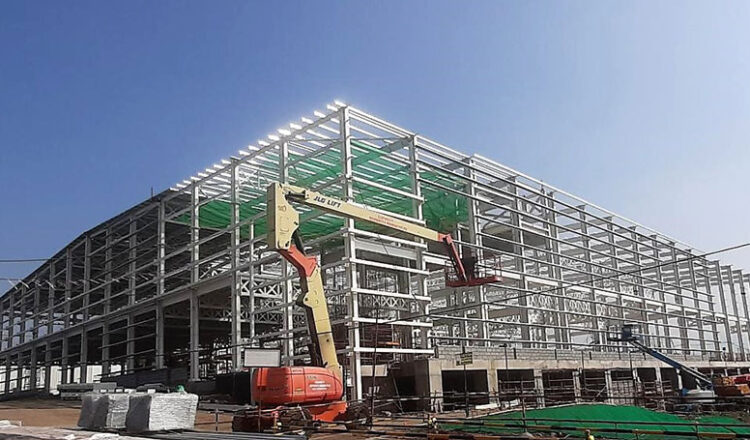
6 Key Considerations for Building a Sustainable Industrial Facility
Did you know industrial facilities are responsible for significant greenhouse gas emissions and global energy consumption? As a result, there is a growing push for these facilities to adopt more sustainable practices and technologies to reduce their environmental impact. This shift towards sustainability benefits the environment and helps companies save on energy costs and improve their overall efficiency. Whether you’re an individual entrepreneur or a large organization, embarking on the journey to build a sustainable industrial facility requires careful consideration of various factors. In this blog post, we’ll discuss the six key considerations that can guide you toward developing an environmentally conscious and economically viable industrial facility.
Discover key factors That You Should Consider While Building a Sustainable Industrial Facility-
1. Energy Efficiency:
One of the primary considerations in sustainable industrial construction is energy efficiency. Adopting cutting-edge technologies and practices, such as energy-efficient lighting, advanced HVAC systems, and renewable energy sources, can effectively reduce a facility’s environmental impact. Integrating smart building systems that monitor and optimize energy usage is crucial to achieving long-term energy efficiency.
– High-efficiency lighting systems: LED lighting fixtures and sensors can significantly minimize energy usage compared to traditional lighting.
– Advanced HVAC (Heating, Ventilation, and Air Conditioning) systems: Energy-efficient HVAC systems equipped with variable-speed drives and programmable thermostats can optimize energy consumption.
– Renewable energy sources: Incorporating solar panels, wind turbines, or geothermal systems for on-site energy generation reduces reliance on fossil fuels & lowers carbon emissions.
– Smart building management systems: Implementing automated systems that monitor and regulate energy usage in real time can further enhance energy efficiency.
2. Environmentally Friendly Materials:
Selecting sustainable and eco-friendly materials is another vital aspect of building a green industrial facility. Utilizing recycled materials, responsibly sourced wood and low-impact building materials can reduce the construction process’s carbon footprint. Additionally, incorporating innovative materials with lower embodied energy can improve the overall sustainability of the facility.
– Recycled materials: Utilizing materials with recycled content, such as recycled steel or reclaimed wood, reduces the demand for virgin resources and decreases waste.
– Responsibly sourced materials: Choosing wood products that are verified by reputable organizations, like the Forest Stewardship Council (FSC), ensures they come from sustainably managed sources.
– Low-impact building materials: Opting for materials with low embodied energy, such as bamboo or rammed earth, reduces carbon emissions linked with manufacturing and transportation.
3. Water Conservation and Management:
Water is a finite resource, and industrial facilities can have a substantial impact on local water supplies. Implementing water-efficient technologies, capturing rainwater, and utilizing greywater for non-potable purposes are effective strategies for water conservation. These measures not only reduce the strain on local water sources but also lead to long-term operational cost savings.
– Water-efficient fixtures: Installing low-flow faucets, toilets, and urinals reduces water consumption without compromising performance.
– Rainwater harvesting: Collecting and storing rainwater for irrigation or non-potable uses reduces reliance on municipal water supplies.
– Greywater recycling: Treating and reusing greywater from sinks and showers for purposes like landscape irrigation minimizes water wastage.
– Leak detection systems: Implementing sensors and monitoring systems helps detect and address leaks promptly, conserving water and preventing damage.
4. Waste Reduction and Recycling:
Effective waste management is critical in sustainable industrial construction. Minimizing waste generation through careful planning, efficient construction practices, and the implementation of recycling programs helps reduce the environmental impact. Prioritizing the reuse of materials and designing with the end-of-life cycle in mind can further enhance the facility’s overall sustainability.
– Construction waste management plans: Developing plans to segregate, recycle, and responsibly dispose of construction waste minimizes landfill impact.
– Material reuse: Identifying opportunities to reuse materials on-site or repurpose salvaged materials from demolition reduces the need for new resources.
– Recycling programs: Setting up recycling initiatives for materials like concrete, metal, and cardboard reduces waste sent to landfills and conserves resources.
5. Biodiversity and Green Spaces:
Integrating biodiversity and green spaces into the industrial facility’s design is essential for promoting a healthy environment. Green roofs, native landscaping, and preserving natural habitats contribute to the restoration of ecosystems and provide numerous benefits, such as improved air quality, reduced urban heat island effects, and enhanced employee well-being.
– Green roofs and walls: Installing vegetated roofs and walls improves thermal insulation, reduces storm water runoff, and provides habitat for wildlife.
– Native landscaping: Planting native species of trees, shrubs, and grasses supports local biodiversity and reduces the need for irrigation and maintenance.
– Wildlife habitat preservation: Designating areas for wildlife habitats, such as wetlands or meadows, helps conserve biodiversity and create natural ecosystems within the facility’s footprint.
6. Lifecycle Analysis and Maintenance:
Considering the lifecycle environmental impacts of materials and equipment is essential for ensuring the long-term sustainability of industrial facilities. Conducting lifecycle assessments to evaluate the environmental footprint of building materials, equipment, and operational processes can inform decision-making and prioritize low-impact alternatives. Additionally, implementing proactive maintenance practices to optimize equipment efficiency, prevent downtime, and extend asset lifespan can further enhance sustainability and reduce lifecycle costs.
– Lifecycle assessments: Conducting assessments to evaluate the environmental impacts of materials, construction methods, and operational practices helps identify opportunities for improvement.
– Sustainable maintenance practices: Implementing regular maintenance routines using eco-friendly products and techniques ensures optimal performance and prolongs the facility’s lifespan.
– Adaptive reuse and deconstruction: Designing facilities with flexibility and adaptability in mind allows for easier future modifications or repurposing, reducing the need for demolition and minimizing waste.
Final Decision Is Yours!
Building a sustainable industrial facility requires a holistic approach considering environmental, social, and economic aspects. By incorporating these six key considerations, individuals and organizations can contribute significantly to a more sustainable and resilient future. Embracing sustainability isn’t just a responsibility; it’s an investment in a better tomorrow.